
- Research Catalog
Molecular Compounds & Peptides
All research materials are HPLC tested (≥99% purity) with complete Certificate of Analysis (COA) availability.

- Face Cream
- In Stock (120)
- Palmitoyl Tripeptide-5 + Argireline
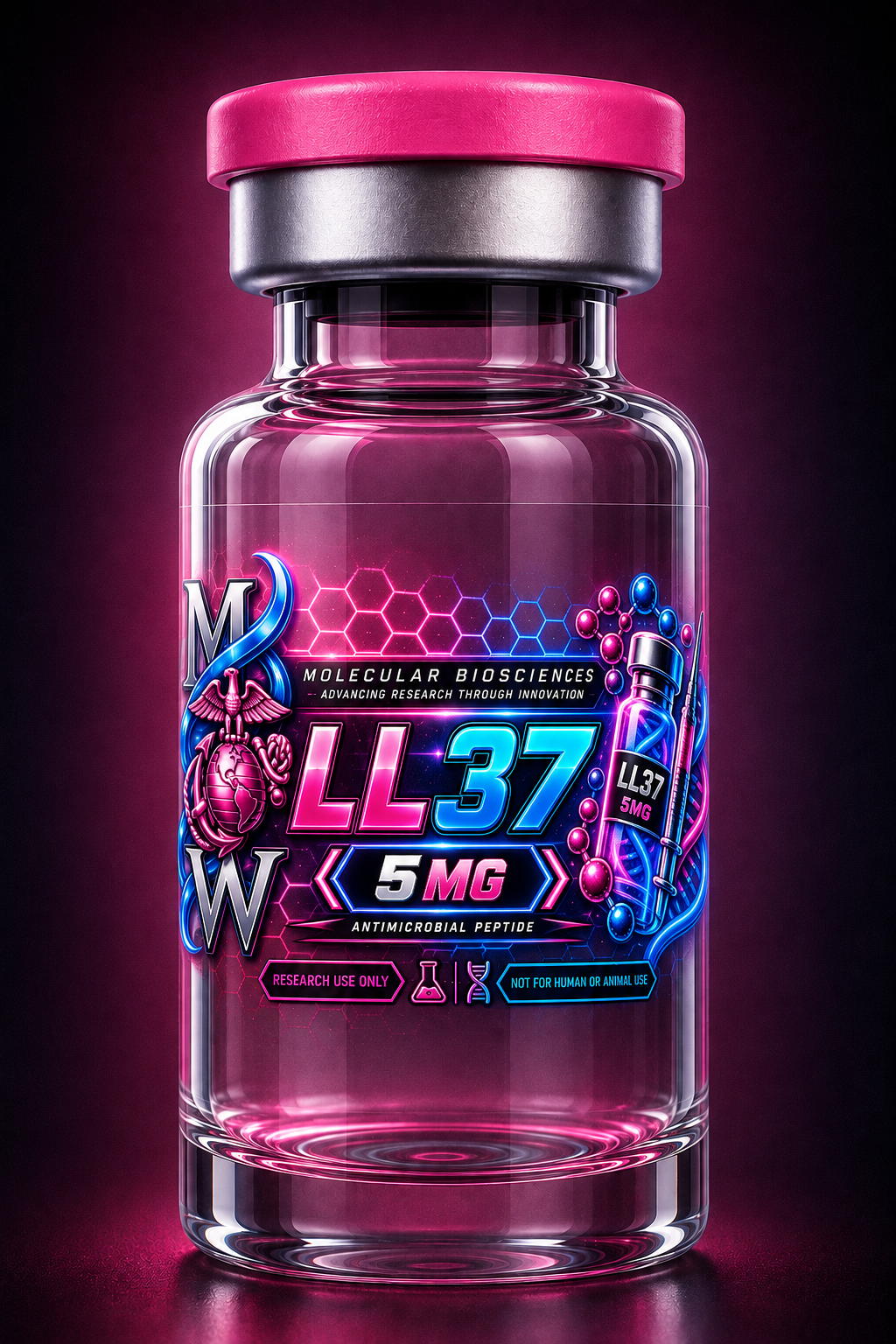
Innate Immunity, Host-Defense & Antimicrobial Research Peptide
LL-37 is the only known human cathelicidin-derived antimicrobial peptide and is an important component of the innate immune system. It is produced by several cell types, including epithelial cells and immune cells, and is studied for its involvement in host defense, immune signaling, and barrier protection.
Laboratory research has examined LL-37 for activity involving bacterial, viral, and fungal models, including its ability to interact with microbial membranes. Beyond direct antimicrobial research, LL-37 is investigated for roles in immune-cell signaling, inflammatory regulation, wound-repair pathways, angiogenesis, and epithelial-barrier function.
Its combination of antimicrobial and immunomodulatory activity makes LL-37 particularly interesting in research examining how the body’s innate defenses respond to microbial challenges and tissue injury.
Research Focus: Antimicrobial Activity • Innate Immunity • Host Defense • Bacterial & Fungal Research • Viral Research • Biofilm Research • Immune Signaling • Wound Repair • Epithelial-Barrier Function
Contents: LL-37 — 5 mg
RESEARCH USE ONLY NOT FOR HUMAN OR ANIMAL USE
PRice
$120.00
- Face Cream
- In Stock (120)
- Palmitoyl Tripeptide-5 + Argireline
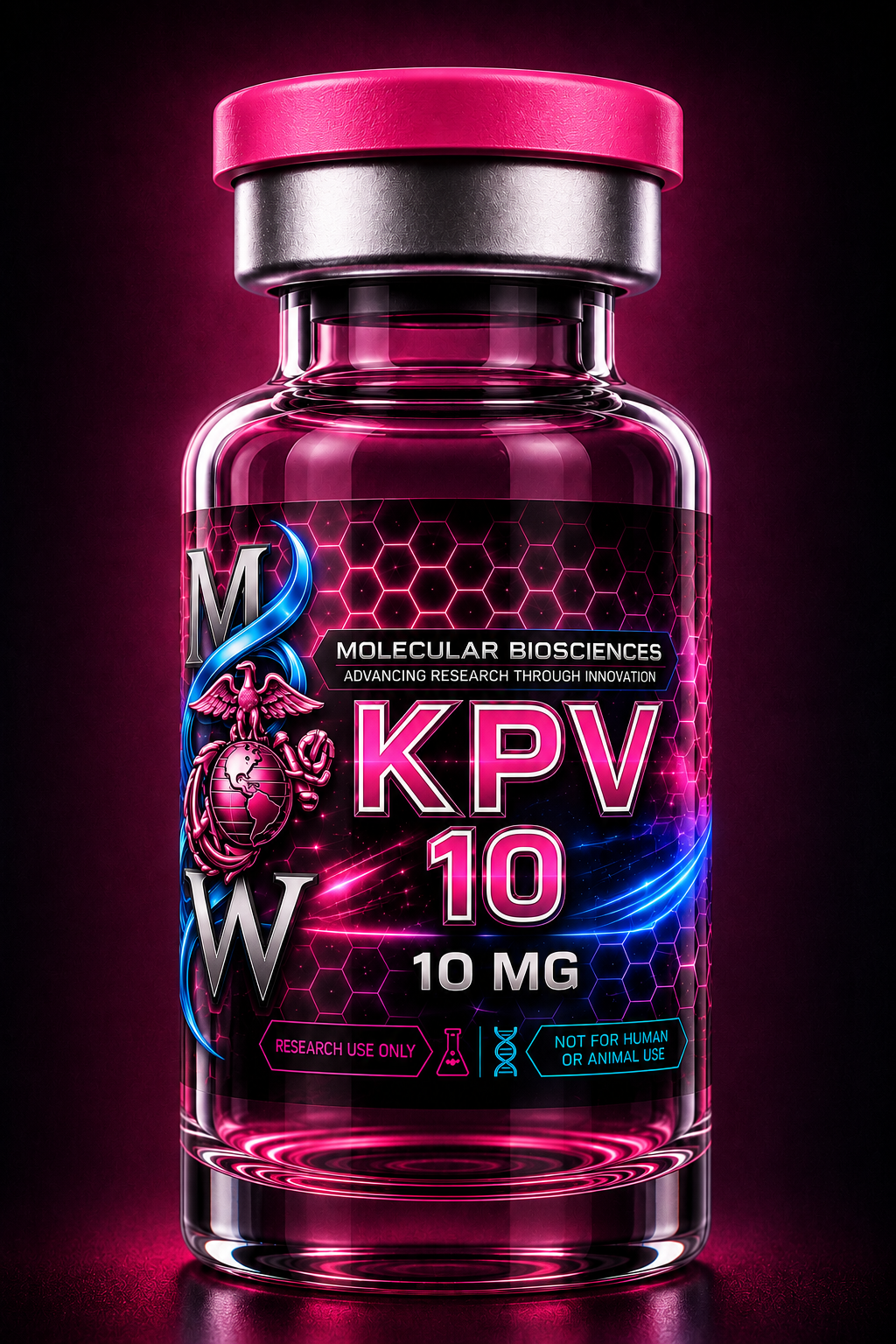
Inflammatory Signaling, Gut & Skin Research Peptide
KPV is a short tripeptide composed of lysine-proline-valine and represents the C-terminal fragment of α-melanocyte-stimulating hormone (α-MSH). It is studied primarily for its potential involvement in inflammatory and immune-signaling pathways.
Preclinical research has investigated KPV in models involving intestinal inflammation, epithelial-barrier function, inflammatory cytokine signaling, and skin-associated inflammatory responses. Research has also examined mechanisms involving NF-κB signaling, an important pathway regulating cellular inflammatory responses.
Because of these properties, KPV is of particular interest in laboratory research involving the gut barrier, intestinal tissue, skin biology, immune signaling, and inflammatory regulation.
Research Focus: Inflammatory Signaling • Gut & Intestinal Research • Epithelial-Barrier Function • NF-κB Pathways • Immune Signaling • Skin Research • Cellular Protection
Contents: KPV — 10 mg
RESEARCH USE ONLY NOT FOR HUMAN OR ANIMAL USE
PRice
$110.00
- Face Cream
- In Stock (120)
- Palmitoyl Tripeptide-5 + Argireline
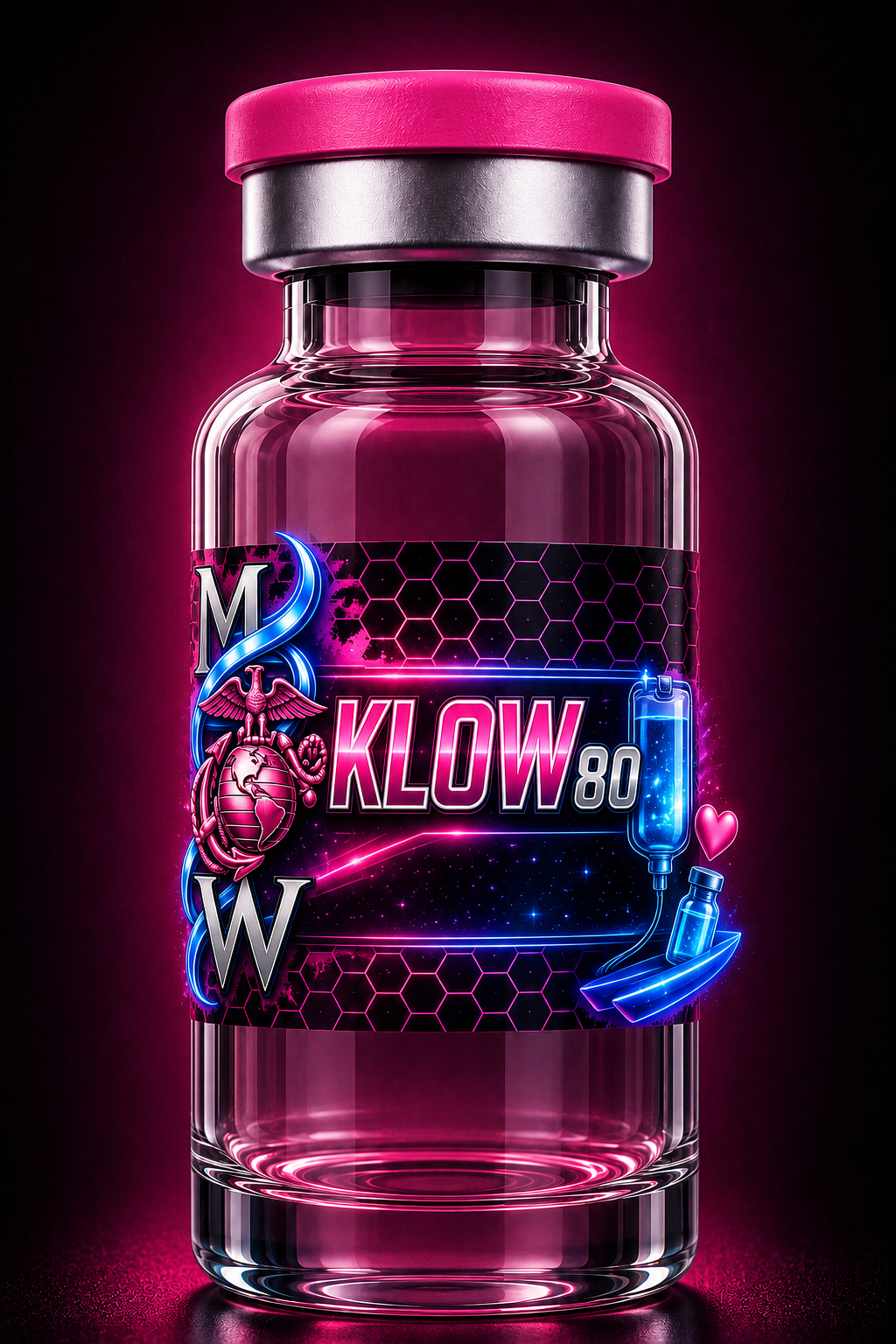
Multi-Peptide Tissue Repair & Cellular-Regeneration Research Blend
KLOW 80 is a multi-compound research blend combining GHK-Cu, BPC-157, TB-500, and KPV. The combination brings together several complementary areas of research involving tissue remodeling, inflammatory signaling, wound repair, extracellular-matrix regulation, and cellular recovery.
GHK-Cu is studied for collagen and elastin synthesis, fibroblast activity, angiogenesis, antioxidant signaling, and skin and connective-tissue remodeling.
BPC-157 is investigated in preclinical models involving tendon, ligament, muscle, gastrointestinal tissue, angiogenesis, and wound-repair pathways.
TB-500, related to thymosin beta-4 research, is studied for cell migration, actin regulation, angiogenesis, and tissue-remodeling mechanisms.
KPV is a tripeptide fragment derived from α-MSH that is investigated primarily for its potential involvement in inflammatory and immune-signaling pathways, including research involving gastrointestinal and skin tissue.
Together, KLOW 80 provides a broad research platform for investigating regeneration, connective-tissue remodeling, inflammatory signaling, and cellular repair.
Research Focus: Tissue Repair • Inflammatory Signaling • Collagen & Elastin • Wound Healing • Connective Tissue • Angiogenesis • Cellular Migration • GI & Skin Research • Extracellular-Matrix Remodeling
Total Contents: 80 mg GHK-Cu — 50 mg • BPC-157 — 10 mg • TB-500 — 10 mg • KPV — 10 mg
RESEARCH USE ONLY NOT FOR HUMAN OR ANIMAL USE
PRice
$100.00
- Face Cream
- In Stock (120)
- Palmitoyl Tripeptide-5 + Argireline
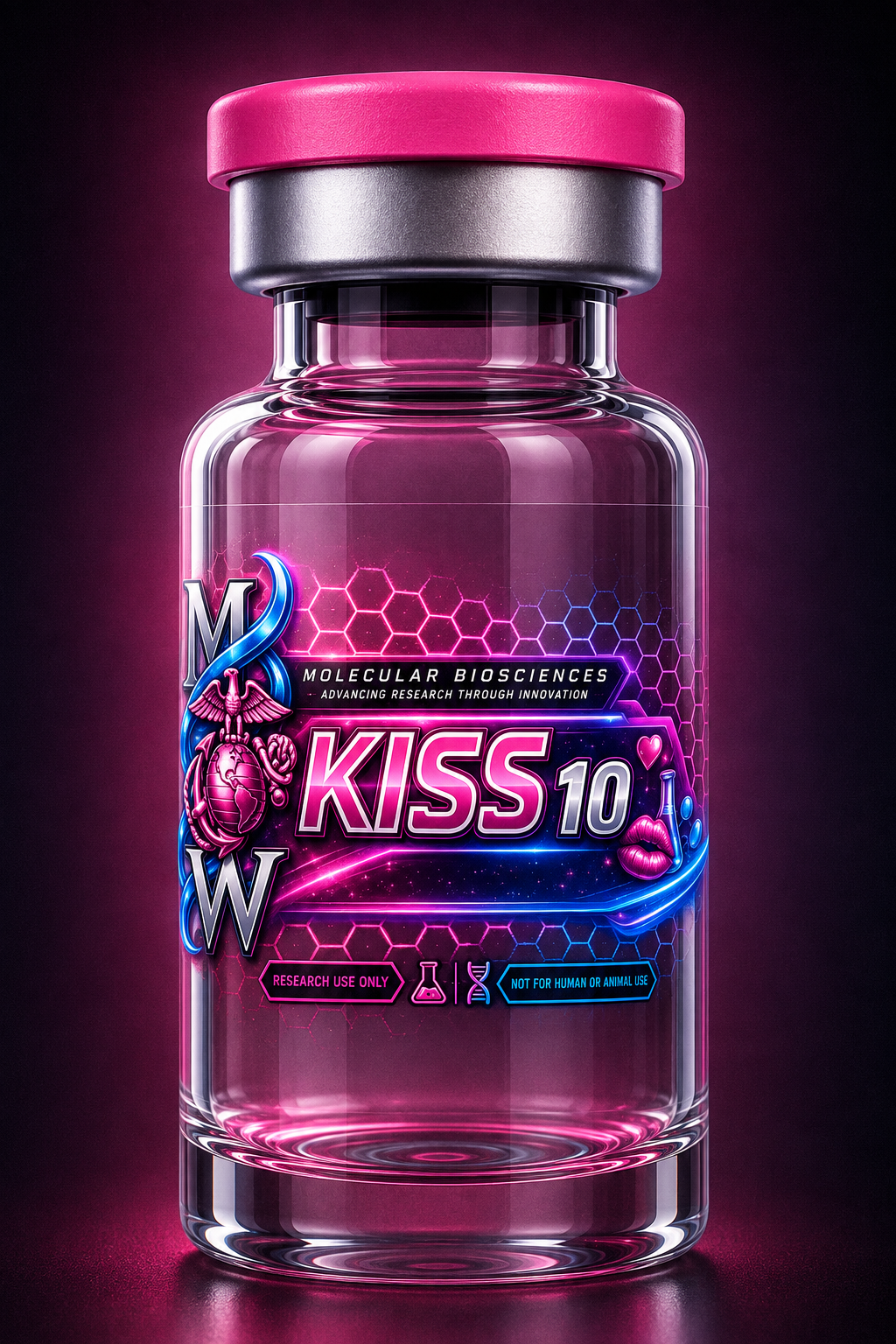
Reproductive Signaling & Neuroendocrine Research Peptide
Kisspeptin-10 is a biologically active fragment of the kisspeptin family of peptides and an important research target within the hypothalamic-pituitary-gonadal (HPG) axis. It acts primarily through the KISS1 receptor (KISS1R/GPR54) and is closely associated with regulation of reproductive hormone signaling.
Research has shown that kisspeptin signaling can stimulate gonadotropin-releasing hormone (GnRH) neurons, which subsequently influence the release of luteinizing hormone (LH) and follicle-stimulating hormone (FSH) from the pituitary.
Because of this upstream role, Kisspeptin-10 is studied in reproductive biology involving fertility signaling, ovulatory pathways, testosterone-associated endocrine signaling, puberty, and regulation of the reproductive axis.
Research Focus: HPG Axis • GnRH Signaling • LH & FSH Release • Fertility Research • Reproductive Endocrinology • Ovulatory Signaling • Gonadal Function • KISS1R/GPR54
Contents: Kisspeptin-10 — 10 mg
RESEARCH USE ONLY NOT FOR HUMAN OR ANIMAL USE
PRice
$90.00
- Face Cream
- In Stock (120)
- Palmitoyl Tripeptide-5 + Argireline
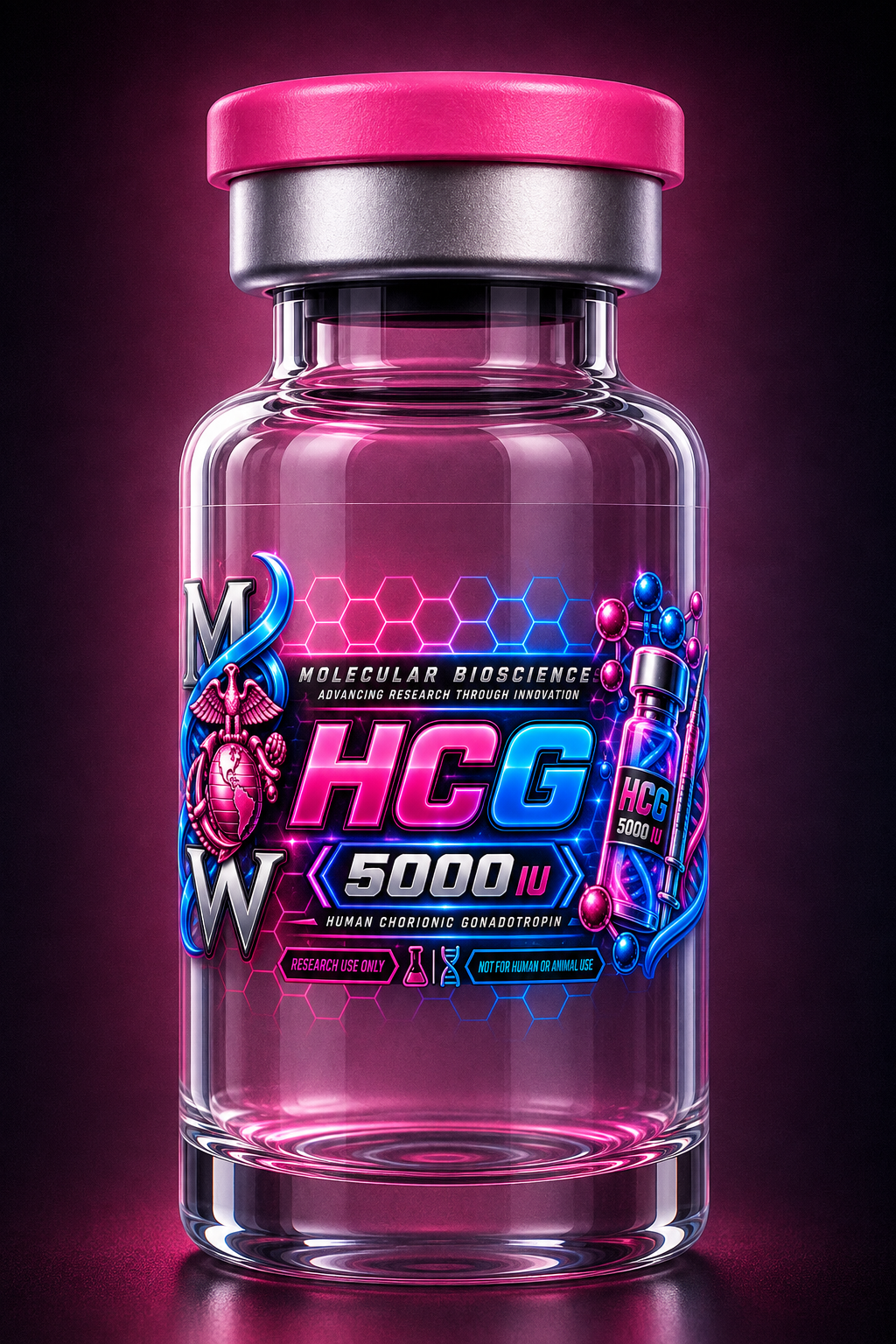
Reproductive-Endocrinology & Gonadotropin Research
Human chorionic gonadotropin (hCG) is a glycoprotein hormone that interacts with the luteinizing hormone/chorionic gonadotropin receptor (LHCGR). Because its biological activity overlaps substantially with luteinizing hormone (LH), hCG is widely studied in reproductive and endocrine research.
In male reproductive research, hCG is investigated for its ability to stimulate Leydig-cell signaling and intratesticular testosterone production, making it relevant to studies of testicular function and spermatogenesis-associated pathways.
In female reproductive research, hCG is studied in relation to final follicular maturation, ovulatory signaling, corpus-luteum function, and progesterone production. It also plays a natural role during early pregnancy, where hCG signaling helps maintain the corpus luteum.
Research Focus: LHCGR Activation • Reproductive Endocrinology • Leydig-Cell Function • Intratesticular Testosterone • Spermatogenesis Research • Follicular Maturation • Ovulatory Signaling • Corpus-Luteum Function
Contents: Human Chorionic Gonadotropin (hCG) — 5000 IU
RESEARCH USE ONLY NOT FOR HUMAN OR ANIMAL USE
PRice
$80.00
- Face Cream
- In Stock (120)
- Palmitoyl Tripeptide-5 + Argireline
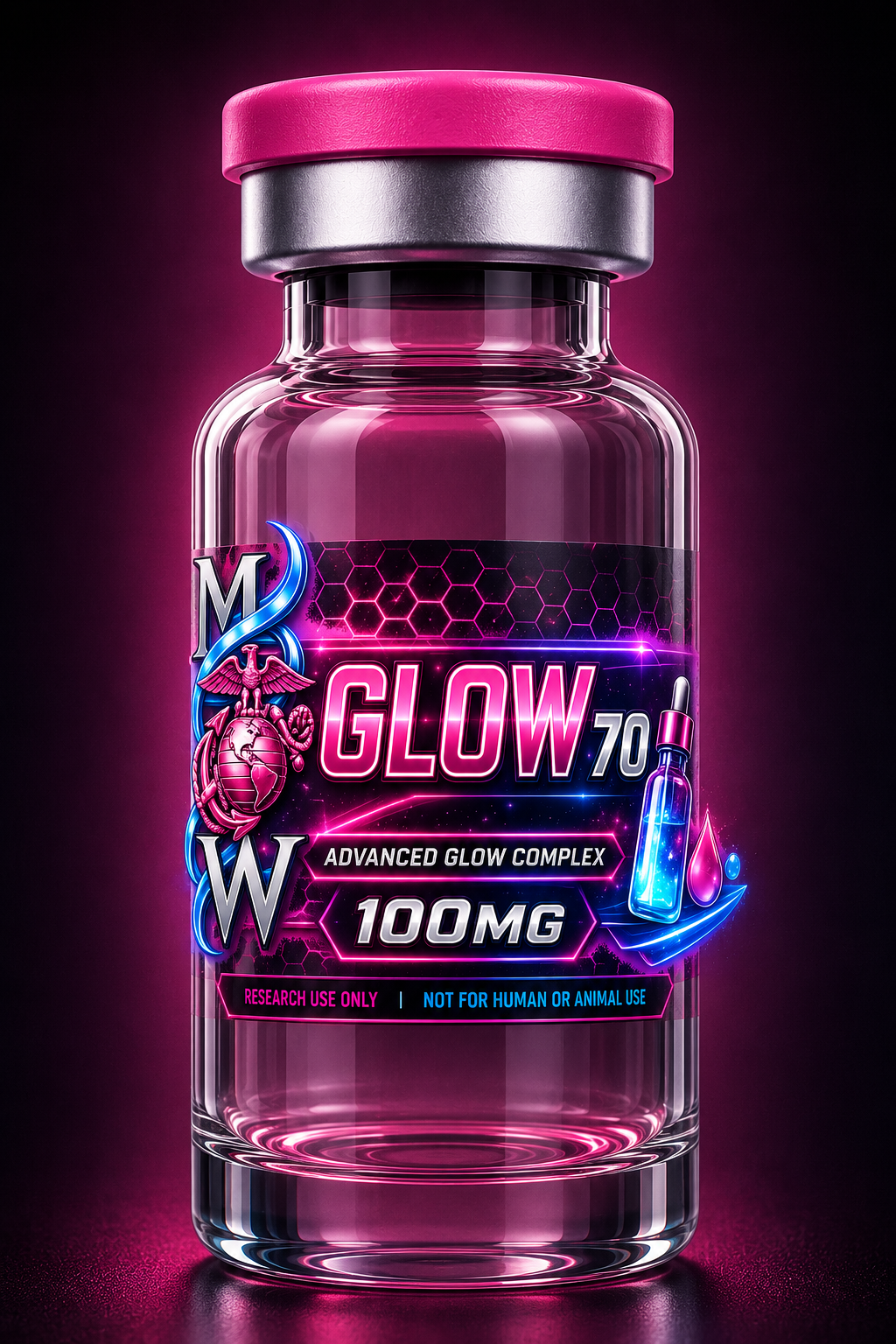
PRice
$90.00
- Institutional Bulletin & Batch Notifications